Writing Quality Infrastructure
Measuring Prose Quality Beyond Readability Scores
Surface metrics miss the craft choices and coherent voice that actually distinguish strong writing.
Soren Halvgaard
· 9 min read
Surface metrics miss the craft choices and coherent voice that actually distinguish strong writing.
Editors can spot redundant structures in AI drafts that survive word-level edits.
Separating editorial functions into discrete passes breaks the single-pass ceiling.
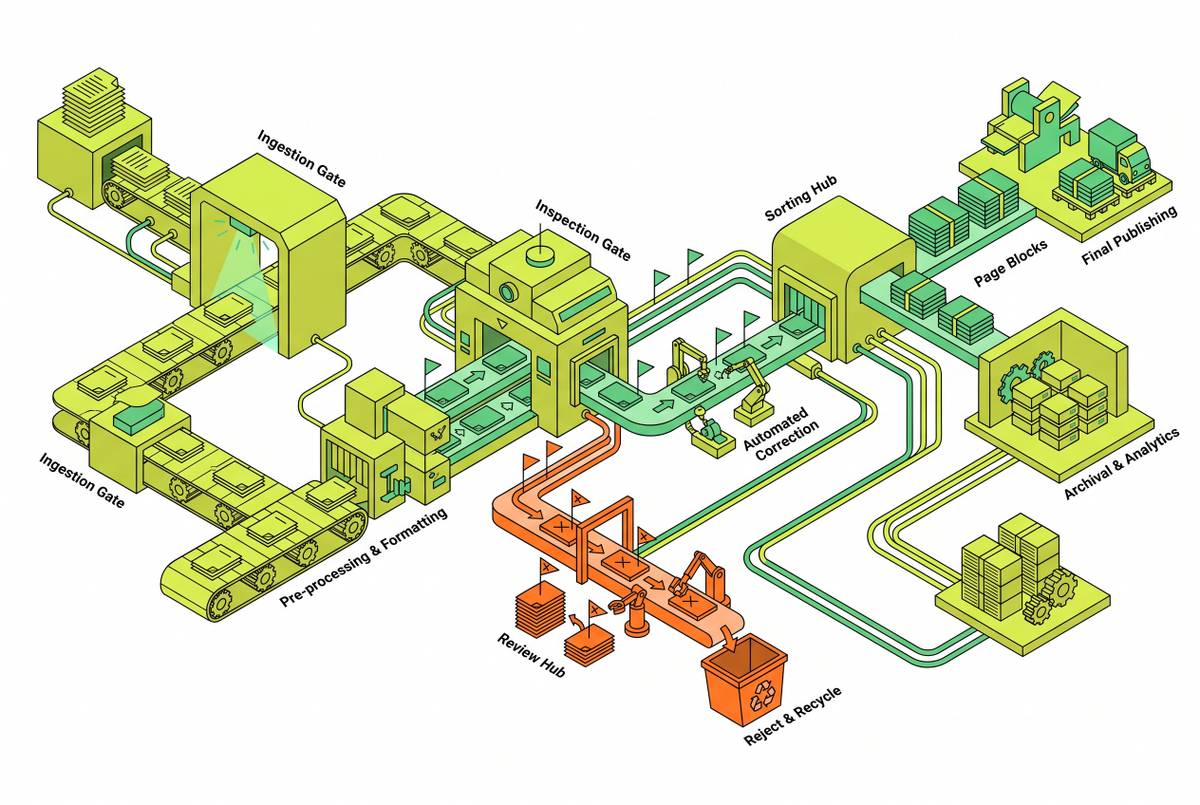
Structured pipelines catch AI content errors that spot-checks miss.
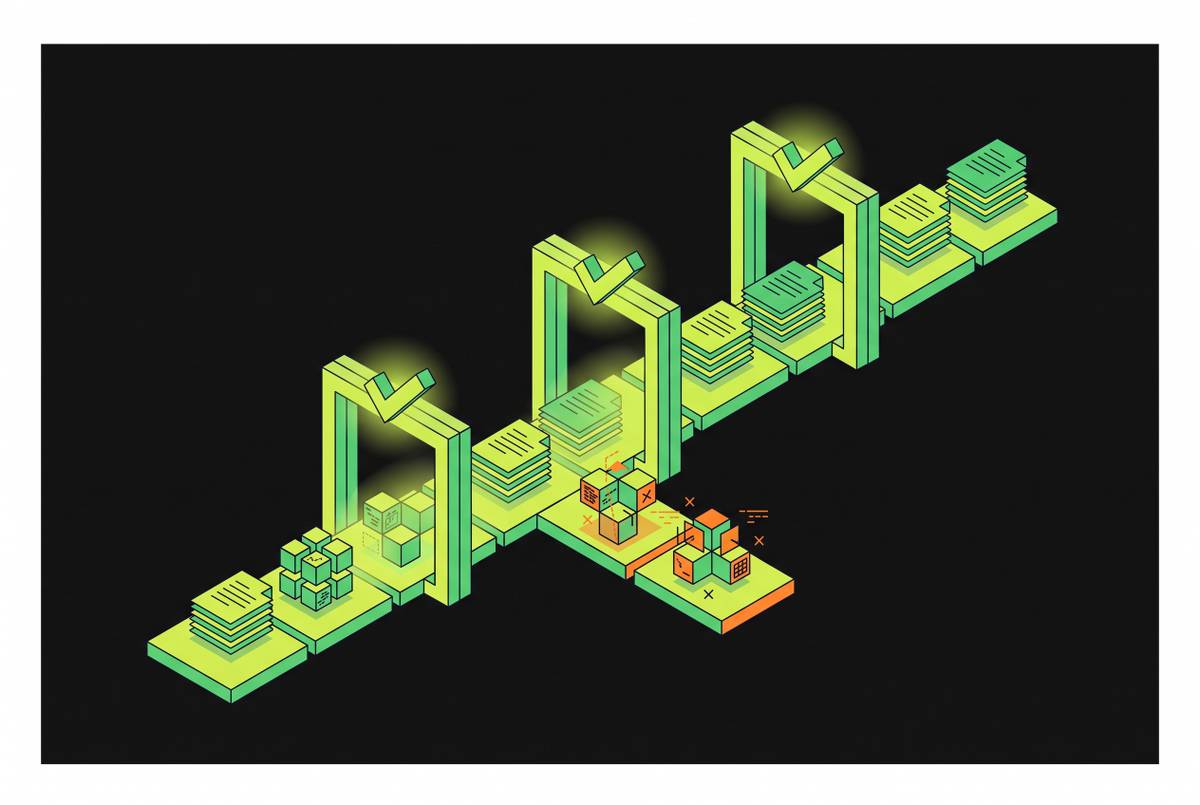
Test cases catch quality failures that single models cannot fix alone.
Enforce brand voice at creation, not in review.
Mixing multiple AI models breaks detectors trained on single-model fingerprints.
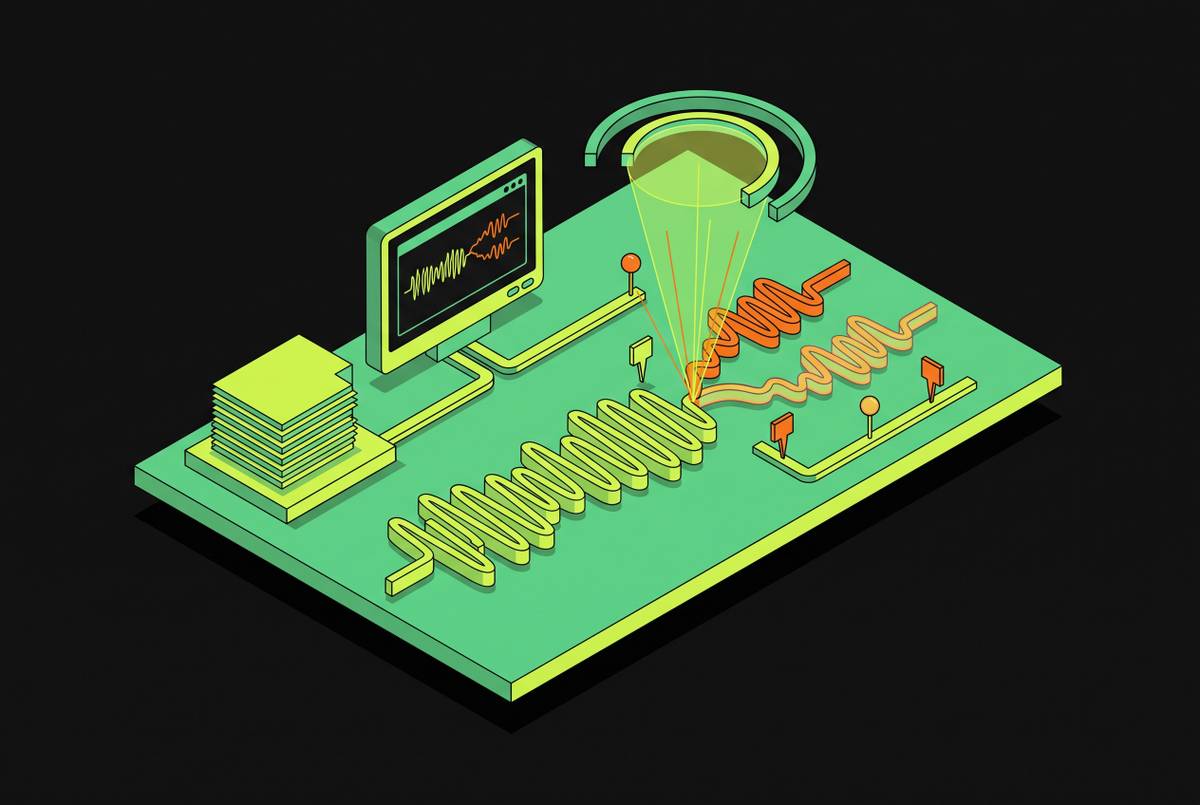
Perplexity and burstiness measure different writing patterns that detectors use to flag AI output.
Vendor claims of 95% accuracy don't match real-world performance in independent testing.
AI can match brand voice only with concrete examples, not vague descriptors.
Technical readers demand precision, and single models can't deliver it reliably.
Detecting voice drift requires baseline datasets and architectural fixes, not better prompts.